


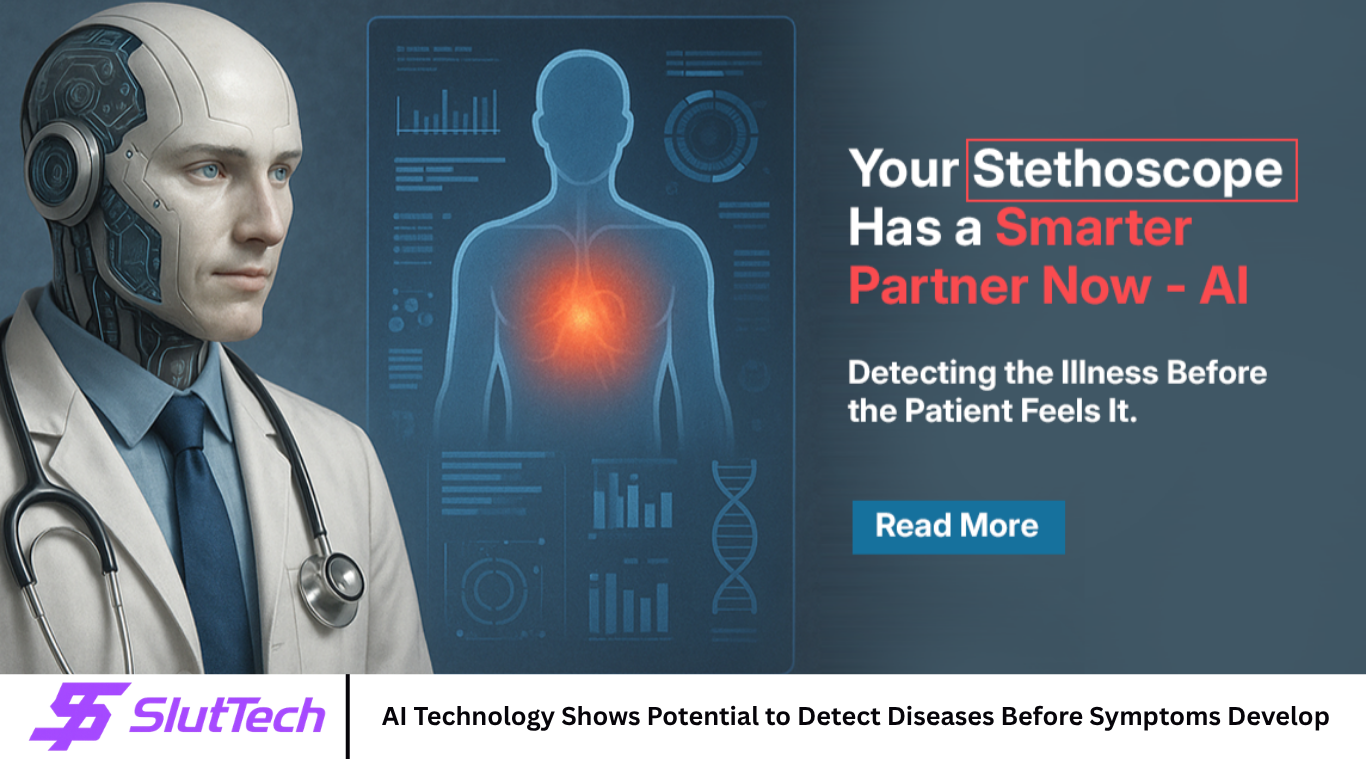
Artificial intelligence is transforming healthcare by helping researchers and medical professionals identify potential health risks earlier than ever before. Advanced AI systems can analyze large amounts of medical data, recognize hidden patterns, and assist in detecting warning signs that may appear before noticeable symptoms develop.
Early detection plays a crucial role in improving healthcare outcomes because many diseases are easier to manage when identified at an earlier stage. While AI is not replacing doctors, it is becoming a powerful tool that supports medical decision-making, research, and preventive care.
How AI Predicts Health Risks
AI-powered healthcare systems use machine learning algorithms to analyze information such as medical records, imaging results, genetic data, and other health indicators. By identifying patterns within this data, AI can help researchers discover possible links between certain signals and future health conditions.
These systems continue improving as they process more information, allowing healthcare professionals to make more informed assessments.
Early Disease Detection Benefits
Detecting diseases before symptoms appear can provide valuable opportunities for prevention and early treatment. When health risks are identified sooner, doctors may be able to recommend lifestyle changes, monitoring, or medical interventions that improve long-term outcomes.
AI-assisted prediction tools could help shift healthcare from reacting to illnesses toward preventing them.
AI in Medical Imaging
One of the most advanced uses of AI in healthcare is medical image analysis. AI systems can examine scans and images to help identify unusual patterns that may be difficult to detect manually.
These tools can support doctors by highlighting areas that require further attention and improving the speed of analysis.
Predicting Chronic Conditions
Researchers are exploring how AI can help predict risks related to chronic conditions such as heart disease, diabetes, and other long-term health issues. By analyzing health trends over time, AI may help identify individuals who could benefit from earlier monitoring and preventive strategies.
This approach could contribute to more personalized healthcare plans.
Personalized Healthcare Through AI
Every person has unique health factors, including genetics, lifestyle, and medical history. AI can analyze individual data to support more personalized approaches to prevention and treatment.
Personalized healthcare aims to provide recommendations that better match each person’s specific needs.
Supporting Medical Research
AI is accelerating medical research by helping scientists analyze complex datasets, identify potential treatment options, and discover relationships between biological factors and diseases.
By reducing the time required for certain research processes, AI can support faster innovation in healthcare.
Improving Healthcare Efficiency
Healthcare systems often face challenges such as limited resources, increasing patient numbers, and complex medical information. AI tools can assist healthcare professionals by organizing data, improving workflow efficiency, and supporting faster decision-making.
This allows medical teams to focus more attention on patient care.
Challenges of AI Healthcare Systems
Although AI offers significant potential, several challenges must be addressed. These include protecting patient privacy, ensuring data accuracy, avoiding bias, and maintaining proper human oversight.
Medical AI systems must be carefully tested and regulated to ensure they provide reliable and responsible support.
The Role of Doctors in AI-Powered Healthcare
AI is designed to assist healthcare professionals rather than replace them. Doctors provide essential skills such as medical judgment, communication, empathy, and experience that technology cannot fully replicate.
The most effective healthcare systems will combine AI capabilities with human expertise.
The Future of AI in Preventive Medicine
As artificial intelligence continues to advance, its role in healthcare is expected to expand. Future AI systems may become better at identifying risks, supporting personalized treatment, and helping doctors make earlier decisions.
The combination of advanced technology and medical expertise could lead to more proactive and efficient healthcare systems.
Frequently Asked Questions
Can AI detect diseases before symptoms appear?
AI can identify patterns and risk indicators in health data that may help predict potential health issues before noticeable symptoms develop.
Will AI replace doctors?
No. AI is designed to support doctors by providing data analysis and insights while medical professionals continue making final decisions.
How does AI help in healthcare?
AI helps analyze medical data, support diagnosis, improve research, assist with medical imaging, and enable more personalized healthcare approaches.
What are the benefits of early disease detection?
Early detection can allow timely monitoring, preventive measures, and treatment strategies that may improve health outcomes.
Are AI healthcare systems completely accurate?
AI systems are powerful tools, but they require accurate data, proper testing, and human oversight to ensure reliable results.
Conclusion
AI technology is opening new possibilities in preventive healthcare by helping researchers identify disease risks earlier and analyze complex health information more effectively. While artificial intelligence cannot replace the expertise of medical professionals, it can provide valuable support in detection, research, and personalized care. As AI continues to develop, it may play an increasingly important role in creating faster, smarter, and more proactive healthcare solutions for the future.
