


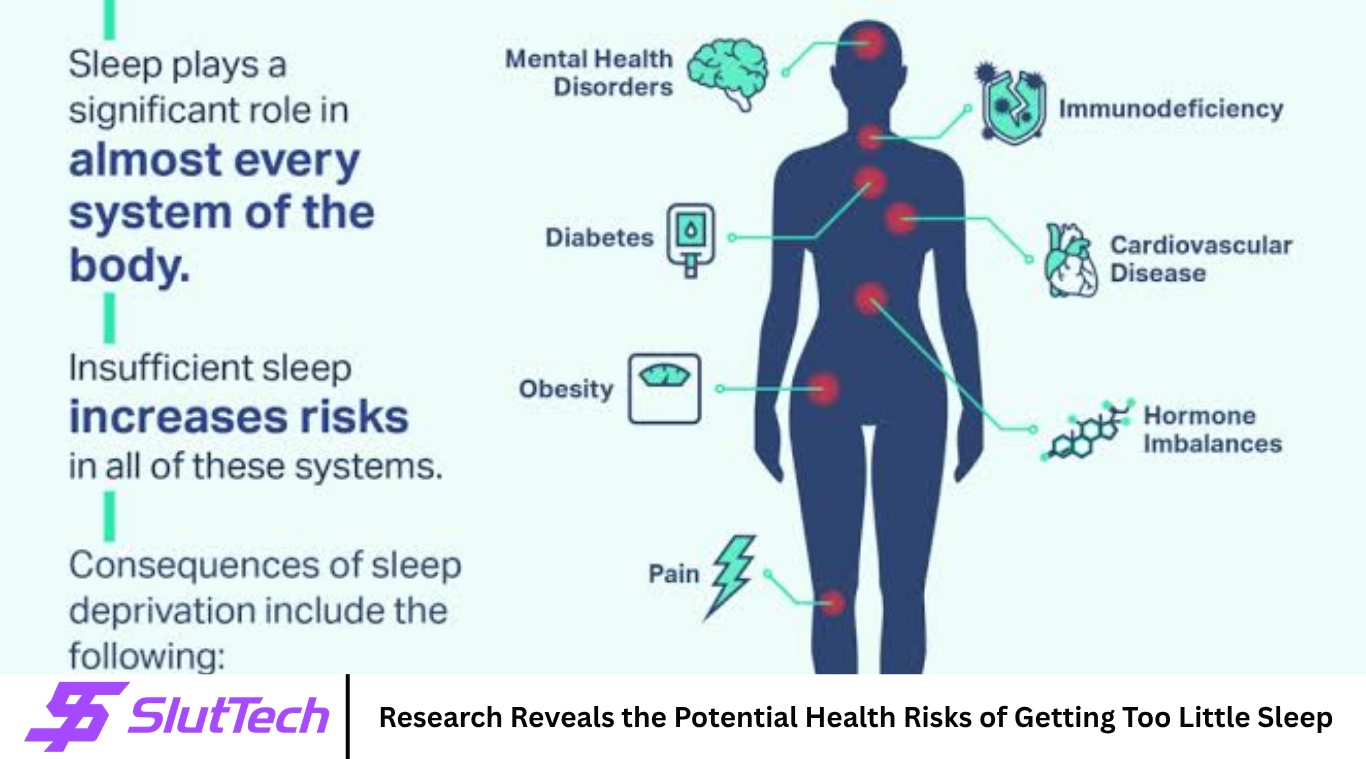
Sleep plays a vital role in maintaining physical health, mental well-being, and daily performance. Recent research continues exploring how insufficient sleep may affect the body and mind, highlighting the importance of maintaining healthy sleep habits.
While sleep needs can vary from person to person, experts emphasize that consistently getting enough quality rest is an important part of a healthy lifestyle.
Why Sleep Is Important for the Body
During sleep, the body performs essential functions that support recovery, energy balance, and overall health. Restful sleep helps the body recharge and supports normal physical and mental processes.
A consistent sleep routine can contribute to better focus, improved mood, and stronger daily performance.
Effects of Insufficient Sleep on Mental Well-Being
Lack of adequate sleep may affect mood, concentration, and emotional balance. People who do not get enough rest may experience difficulties with focus, memory, and managing daily stress.
Researchers continue studying the relationship between sleep patterns and mental health to better understand these connections.
Impact on Physical Health
Sleep is connected to many aspects of physical well-being, including immune function, metabolism, and energy levels. Maintaining healthy sleep habits can support the body’s ability to function properly.
Long-term sleep problems may increase health concerns, making proper rest an important part of preventive care.
Sleep and Brain Function
The brain uses sleep time to process information, organize memories, and support learning. Quality rest can improve concentration, problem-solving, and cognitive performance.
Poor sleep patterns may make it harder to maintain mental sharpness throughout the day.
The Connection Between Sleep and Lifestyle
Daily habits such as diet, exercise, stress levels, and screen use can influence sleep quality. A balanced lifestyle can help create better conditions for consistent and restful sleep.
Experts often recommend developing routines that support relaxation and healthy sleep schedules.
Technology and Sleep Challenges
Modern technology has changed the way people live, but excessive screen use and digital distractions can affect sleep routines.
Researchers continue exploring ways to balance technology use with healthy sleep practices.
Improving Sleep Habits
Health experts recommend several approaches to support better sleep, including maintaining regular sleep times, creating a comfortable sleep environment, and reducing activities that interfere with relaxation.
Small lifestyle adjustments can help improve sleep quality over time.
The Role of Sleep Research
Scientists continue studying sleep to understand its impact on health and discover better ways to address sleep-related challenges.
Advances in medical research and technology are helping experts learn more about the importance of healthy sleep patterns.
The Future of Sleep Health
Growing awareness of sleep health is encouraging more people to prioritize rest as part of overall wellness. Future research may provide deeper insights into personalized sleep strategies and improved approaches for managing sleep difficulties.
Understanding the value of sleep can help individuals make better choices for long-term health.
Frequently Asked Questions
How much sleep do people need?
Sleep needs vary by age, lifestyle, and individual factors, but consistent quality rest is important for overall health.
Why is sleep important for the brain?
Sleep supports memory, learning, concentration, and normal brain function.
Can poor sleep affect daily performance?
Yes, insufficient sleep may influence focus, mood, energy levels, and productivity.
How can people improve sleep quality?
Maintaining a regular schedule, creating healthy routines, and reducing sleep distractions can support better rest.
Is sleep connected to overall health?
Yes, sleep is an important part of physical and mental well-being and supports many essential body functions.
Conclusion
Research continues showing the importance of getting enough quality sleep for maintaining overall health and well-being. Insufficient rest may affect mood, focus, physical function, and daily performance. By prioritizing healthy sleep habits and creating balanced routines, individuals can support better health and improve their quality of life.
