


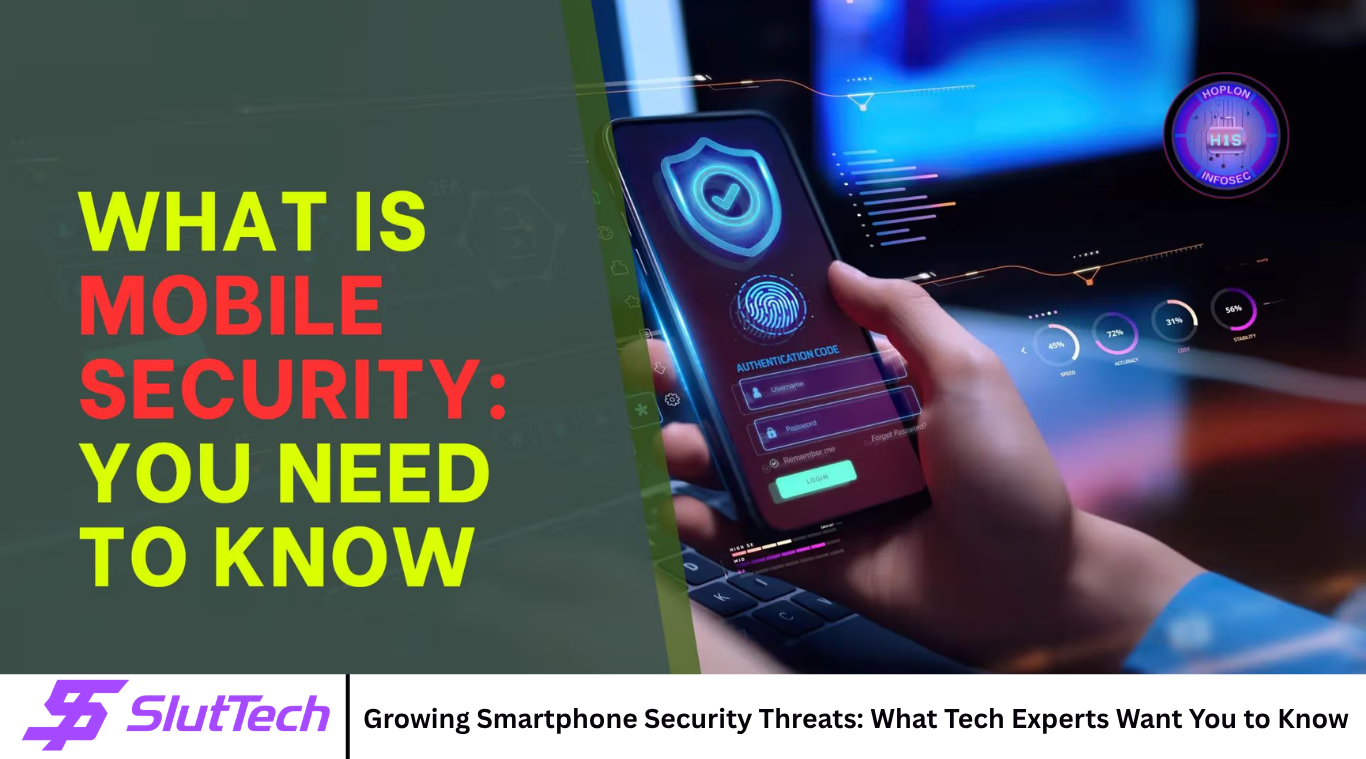
Smartphones have become an essential part of everyday life, allowing people to communicate, shop, bank, work, and manage personal information from a single device. As mobile technology continues to advance, smartphones now store more sensitive data than ever before. This growing dependence has also made them attractive targets for cybercriminals seeking financial information, personal data, and account credentials.
Cybersecurity professionals continue to warn that smartphone security threats are becoming more sophisticated. Modern attacks are no longer limited to simple viruses but now include phishing scams, malicious applications, identity theft, spyware, and advanced malware. Understanding these threats and following good security practices can significantly reduce the risk of becoming a victim.
Why Smartphone Security Matters
Smartphones contain valuable personal and financial information, including emails, passwords, banking applications, photographs, contacts, and work-related documents. If compromised, attackers may gain access to sensitive information that can result in financial loss or identity theft.
Protecting mobile devices has become just as important as securing personal computers because smartphones are now central to both personal and professional activities.
Phishing Attacks Continue to Increase
Phishing remains one of the most common smartphone security threats. Attackers send fake emails, text messages, or social media messages that appear to come from trusted organizations, encouraging users to click fraudulent links or reveal personal information.
These scams often imitate banks, delivery companies, online services, or government organizations to appear legitimate.
Malicious Mobile Applications
Not every mobile application is safe to install. Some malicious apps disguise themselves as useful software while secretly collecting personal information, displaying unwanted advertisements, or installing harmful code.
Downloading applications only from trusted app stores and reviewing permissions carefully helps reduce this risk.
Public Wi-Fi Risks
Free public Wi-Fi networks provide convenience but may expose users to security risks if the networks are not properly secured. Cybercriminals sometimes create fake hotspots or intercept data transmitted through unsecured connections.
Using secure websites and avoiding sensitive transactions on unknown public networks helps improve mobile security.
Weak Passwords and Authentication
Simple passwords remain a common weakness in smartphone security. Weak or reused passwords increase the likelihood of unauthorized access if login credentials are exposed through data breaches.
Strong passwords combined with multi-factor authentication provide significantly stronger protection for online accounts.
Outdated Software Creates Vulnerabilities
Operating system and application updates frequently include important security improvements. Delaying software updates leaves devices exposed to vulnerabilities that attackers may exploit.
Installing updates promptly helps protect smartphones from newly discovered security risks.
Privacy Concerns
Many mobile applications request access to contacts, location, camera, microphone, and other sensitive information. While some permissions are necessary, excessive access may affect user privacy.
Reviewing application permissions regularly helps users maintain better control over their personal information.
Mobile Malware Is Becoming More Advanced
Modern mobile malware can steal passwords, monitor user activity, record keystrokes, display fraudulent login screens, or encrypt files for ransom. Although smartphone operating systems include built-in security features, cybercriminals continuously develop more advanced attack methods.
Maintaining good security habits remains essential for reducing exposure to these evolving threats.
Protecting Your Smartphone
Improving smartphone security begins with simple preventive measures. Keeping software updated, installing applications only from trusted sources, using strong passwords, enabling multi-factor authentication, reviewing application permissions, and avoiding suspicious links significantly reduce security risks.
Regular device backups also help protect important data if a device is lost, stolen, or compromised.
The Future of Mobile Security
As smartphones become more powerful and connected to additional digital services, cybersecurity will continue evolving alongside new technologies. Artificial intelligence, biometric authentication, stronger encryption, and advanced threat detection systems are expected to play increasingly important roles in protecting mobile devices.
Users who remain informed about emerging threats will be better prepared to safeguard their personal information.
Frequently Asked Questions
Why are smartphones targeted by cybercriminals?
Smartphones store valuable personal, financial, and business information, making them attractive targets for identity theft, fraud, and data theft.
What is the biggest smartphone security threat?
Phishing attacks, malicious applications, weak passwords, outdated software, and mobile malware remain among the most common security risks.
How can I improve my smartphone security?
Keep your device updated, use strong passwords, enable multi-factor authentication, install apps only from trusted sources, and avoid suspicious links or downloads.
Are public Wi-Fi networks safe?
Some public Wi-Fi networks may expose users to security risks. It is best to avoid accessing sensitive accounts or conducting financial transactions on unsecured networks.
Why are software updates important?
Software updates often include security patches that fix newly discovered vulnerabilities and help protect devices from cyberattacks.
Conclusion
Growing smartphone security threats highlight the importance of protecting personal devices in an increasingly digital world. As cybercriminals develop more advanced methods to target mobile users, maintaining good cybersecurity habits has become essential. By keeping software updated, using strong authentication, downloading trusted applications, protecting personal information, and staying informed about emerging threats, users can significantly reduce their risk while enjoying the convenience and benefits that modern smartphones provide.