


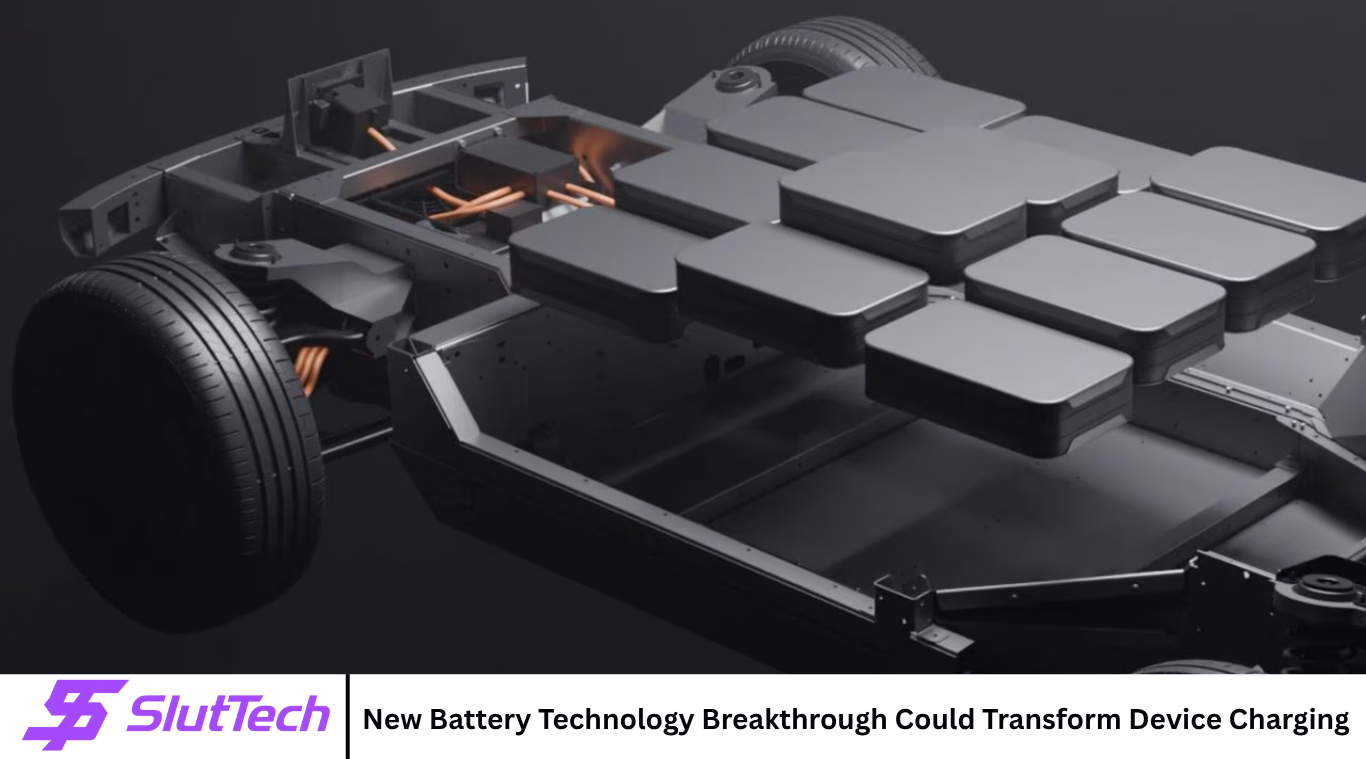
Battery technology has become one of the most important areas of innovation as smartphones, laptops, electric vehicles, and portable devices continue to play a larger role in everyday life. While modern batteries have improved significantly over the past decade, many users still experience long charging times, limited battery life, and gradual performance degradation. Researchers and technology companies around the world are now developing next-generation battery technologies that could dramatically improve how electronic devices are powered.
Recent advances in battery research focus on increasing energy density, reducing charging times, improving safety, and extending battery lifespan. Although many of these technologies are still being refined, they have the potential to transform consumer electronics, renewable energy storage, and electric transportation in the coming years.
Why Battery Innovation Is Important
Modern lifestyles depend heavily on rechargeable devices. Consumers expect smartphones, laptops, wearable devices, and electric vehicles to last longer while charging more quickly. Traditional lithium-ion batteries have served the industry well, but their limitations have encouraged researchers to explore more advanced alternatives.
Improved battery technology can increase convenience, reduce energy waste, and support the growing demand for cleaner transportation and renewable energy systems.
Faster Charging Capabilities
One of the most exciting developments in battery research is ultra-fast charging. New battery materials and improved charging technologies are being designed to significantly reduce charging times while maintaining battery health.
If widely adopted, future devices could recharge in minutes rather than hours, making portable electronics and electric vehicles far more convenient for everyday use.
Longer Battery Lifespan
Battery degradation is a common concern for device owners. Over time, repeated charging cycles reduce battery capacity, resulting in shorter operating times.
Emerging battery technologies aim to withstand more charging cycles while maintaining performance, allowing devices and electric vehicles to remain reliable for many additional years.
Higher Energy Density
Energy density determines how much power a battery can store within a given size. Increasing energy density allows manufacturers to produce smaller batteries that provide longer operating times or maintain current sizes while significantly extending battery life.
Higher-capacity batteries could benefit smartphones, laptops, drones, wearable technology, and electric vehicles alike.
Improved Safety Features
Battery safety remains a major priority for manufacturers. Researchers are developing advanced materials and battery designs that reduce overheating, improve thermal stability, and minimize the risk of damage during charging or heavy usage.
Safer batteries help increase consumer confidence while supporting wider adoption of advanced technologies.
Benefits for Electric Vehicles
Battery improvements are expected to have a major impact on the electric vehicle industry. Faster charging, greater driving range, and longer battery life can make electric vehicles more practical for everyday transportation.
Improved battery performance may also reduce maintenance costs while supporting the global transition toward cleaner transportation solutions.
Supporting Renewable Energy
Battery innovation is not limited to consumer electronics. Renewable energy systems such as solar and wind power rely on efficient energy storage to provide electricity when production decreases.
Advanced battery technologies can improve energy storage capacity, making renewable energy more reliable for homes, businesses, and national power grids.
Environmental Advantages
Next-generation battery research also focuses on sustainability. Scientists are exploring recyclable materials, environmentally friendly manufacturing processes, and alternatives to limited natural resources used in current battery production.
More sustainable batteries can reduce environmental impact while supporting long-term technological growth.
Challenges Facing New Battery Technologies
Despite significant progress, many emerging battery technologies remain in the research or early commercialization stages. Manufacturing costs, large-scale production, supply chain requirements, and long-term reliability testing must all be addressed before widespread adoption becomes possible.
Companies continue investing heavily in research to overcome these technical and economic challenges.
The Future of Battery Technology
The future of battery development appears highly promising. Innovations involving solid-state batteries, silicon-based materials, advanced lithium technologies, and other emerging solutions could reshape consumer electronics, transportation, healthcare devices, and renewable energy storage.
As research continues, future batteries are expected to become faster, safer, longer-lasting, and more environmentally responsible.
Frequently Asked Questions
Why is new battery technology important?
Improved battery technology can provide faster charging, longer battery life, greater efficiency, improved safety, and better support for electric vehicles and renewable energy.
What is the biggest limitation of current batteries?
Traditional lithium-ion batteries gradually lose capacity over time and still require relatively long charging periods compared to future technologies under development.
Will future batteries charge faster?
Researchers are developing technologies that may significantly reduce charging times while maintaining battery health and safety.
How will better batteries benefit electric vehicles?
Improved batteries can increase driving range, reduce charging time, extend battery lifespan, and lower long-term operating costs.
Are new battery technologies environmentally friendly?
Many research projects focus on recyclable materials, sustainable manufacturing methods, and reducing dependence on limited natural resources.
Conclusion
Battery technology is entering an exciting period of innovation that could significantly improve how people power their devices, vehicles, and renewable energy systems. Advances in charging speed, energy density, battery lifespan, safety, and sustainability have the potential to transform everyday technology while supporting cleaner transportation and more efficient energy storage. Although widespread adoption will take time, ongoing research and development continue to move the industry closer to a future where charging becomes faster, batteries last longer, and energy storage is more reliable than ever before.
