


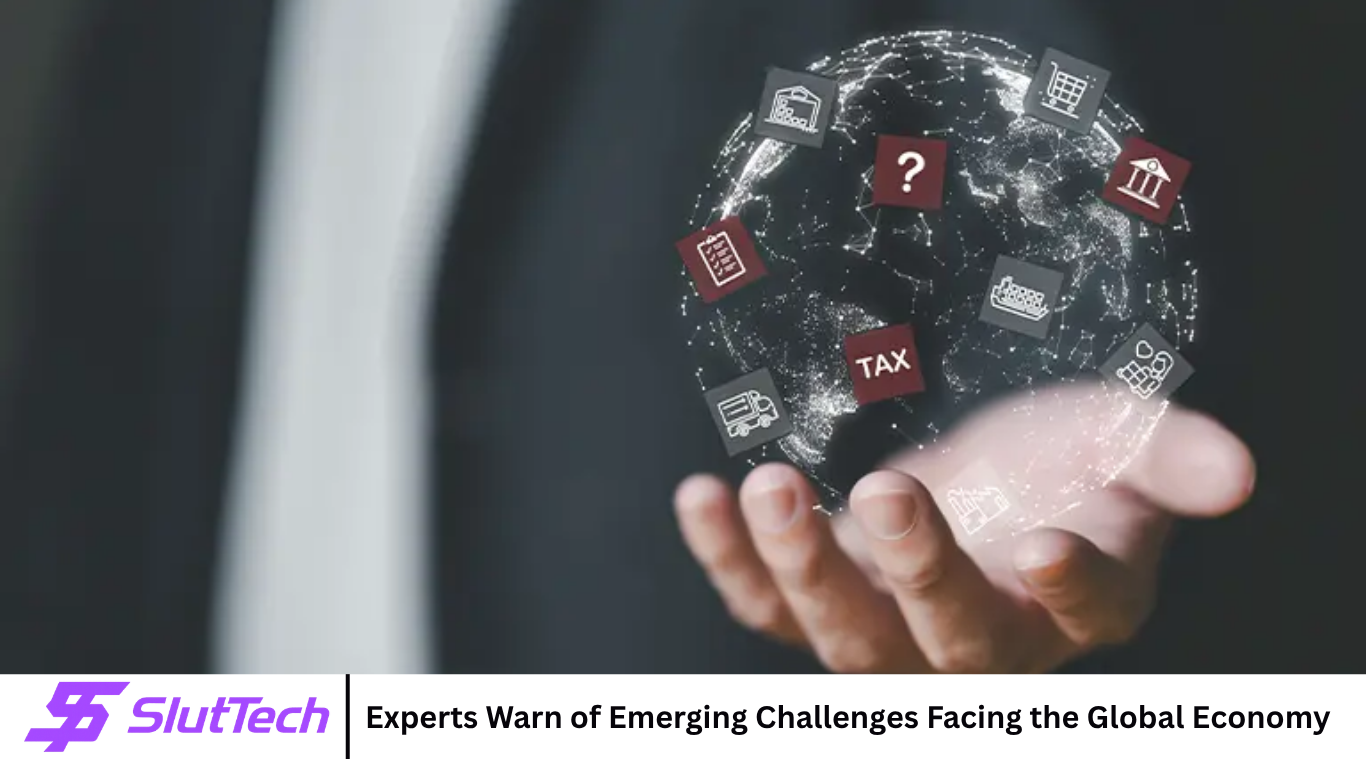
The global economy continues to evolve as governments, businesses, and financial institutions respond to changing market conditions. Experts are closely monitoring economic indicators to better understand potential risks, growth opportunities, and the factors that could influence future economic performance.
Challenges such as inflation, shifting trade patterns, technological disruption, and geopolitical uncertainty are encouraging policymakers and businesses to adapt their strategies in an increasingly connected world.
Understanding the Current Economic Landscape
Economic conditions vary across regions, with some countries experiencing steady growth while others face slower expansion. Consumer spending, business investment, productivity, and international trade all play important roles in shaping the global economy.
Monitoring these indicators helps economists and business leaders make informed decisions about future planning.
Inflation and Rising Costs
Inflation remains an important concern for many economies. Changes in the prices of goods, housing, energy, and services affect household budgets, business operations, and investment decisions.
Central banks continue adjusting monetary policies to promote price stability while supporting long-term economic growth.
Global Trade and Supply Chains
International trade remains a key driver of economic activity. Businesses continue strengthening supply chains, diversifying production, and improving logistics to reduce disruptions and increase resilience.
Trade agreements and international partnerships also influence the movement of goods and services around the world.
The Impact of Artificial Intelligence
Artificial intelligence is transforming industries by improving efficiency, automating repetitive tasks, and supporting better decision-making. Businesses are investing in AI to increase productivity and remain competitive in rapidly changing markets.
While AI creates new opportunities, it also requires workers and organizations to adapt to evolving technologies.
Financial Markets and Investor Confidence
Financial markets respond to economic data, policy decisions, and global events. Investor confidence can influence business expansion, stock market performance, and long-term investment strategies.
Stable economic conditions generally encourage investment, while uncertainty may increase market volatility.
Energy Markets and Sustainability
Energy prices and resource availability continue to influence economic performance. Many countries are investing in renewable energy, energy efficiency, and cleaner technologies to support sustainable growth.
The global transition toward cleaner energy is creating new industries and investment opportunities.
Labor Markets and Workforce Changes
Technology, automation, and changing business needs are reshaping employment markets worldwide. Demand for digital skills, technical expertise, and continuous learning continues to increase.
Organizations are investing in employee training to prepare for future workforce requirements.
Digital Transformation in Business
Companies are accelerating digital transformation through cloud computing, automation, data analytics, and online services. These technologies help improve productivity, customer experiences, and operational efficiency.
Businesses that successfully embrace innovation may be better positioned for long-term growth.
Challenges Affecting Economic Growth
Several factors can influence future economic performance, including inflation, demographic changes, technological disruption, environmental concerns, and international political developments.
Governments and businesses continue working to strengthen resilience and reduce the impact of economic uncertainty.
Future Outlook for the Global Economy
Although challenges remain, many experts believe innovation, technology, international cooperation, and sustainable development will continue supporting long-term economic progress.
Adaptability, investment in new technologies, and effective policymaking will play important roles in shaping future economic growth.
Frequently Asked Questions
What factors influence the global economy?
The global economy is influenced by inflation, trade, technology, government policies, consumer spending, and international events.
Why is inflation important?
Inflation affects purchasing power, business costs, investments, and overall economic stability.
How does AI affect the economy?
AI improves productivity, supports innovation, automates tasks, and creates new business opportunities.
Why are supply chains important?
Strong supply chains help businesses deliver products efficiently and reduce the impact of disruptions.
What is the future outlook for the global economy?
The future economy will likely be shaped by technological innovation, sustainability, international cooperation, and changing market conditions.
Conclusion
Experts continue monitoring emerging challenges that could influence the global economy in the years ahead. Inflation, technological transformation, international trade, and sustainability efforts will all play important roles in shaping economic growth. By adapting to changing conditions and investing in innovation, businesses and governments can build stronger, more resilient economies for the future.
