


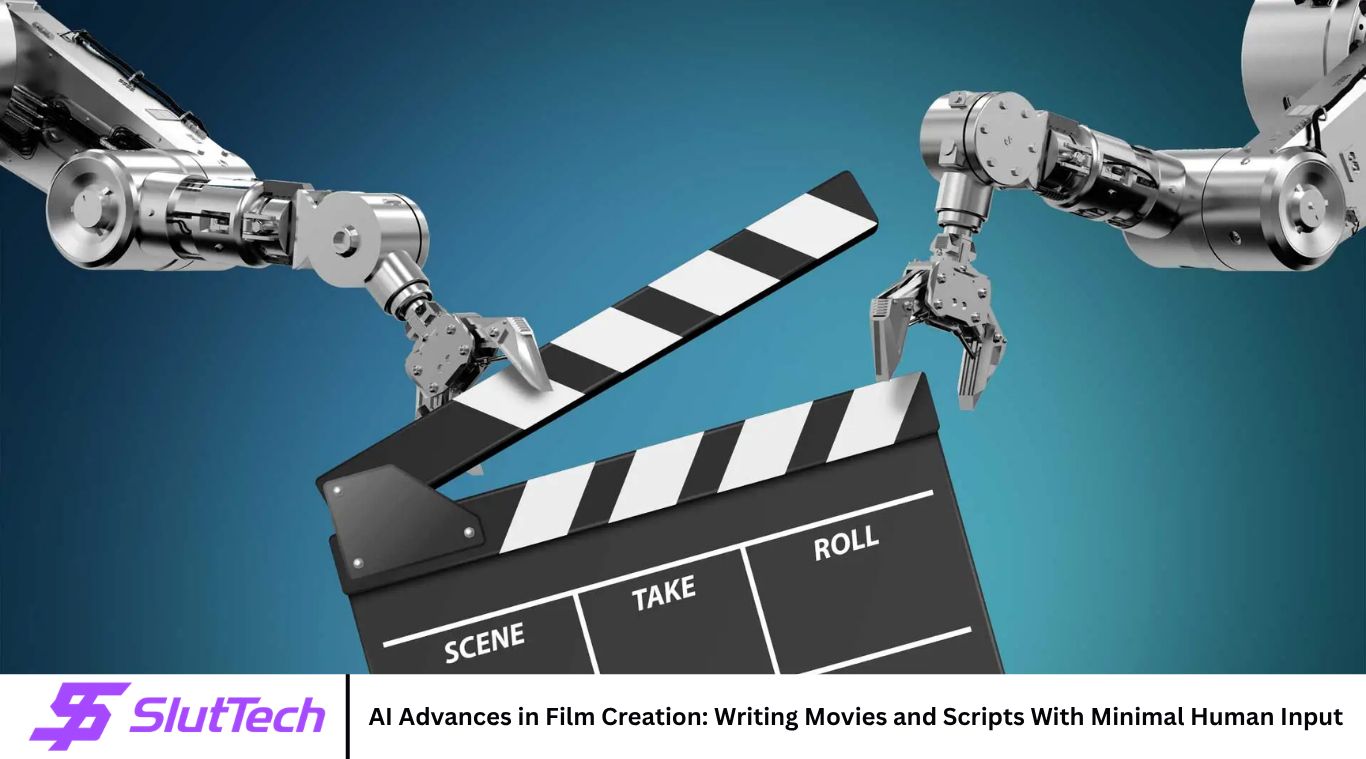
Artificial intelligence is transforming the entertainment industry by introducing new ways to create, develop, and produce digital content. In filmmaking, AI tools are becoming increasingly capable of assisting with story ideas, script development, character creation, visual planning, and production workflows. These advancements are changing how filmmakers approach the creative process while opening new possibilities for independent creators and large production companies.
Although AI can now generate detailed stories and screenplay drafts, human creativity, emotional understanding, and artistic direction remain important parts of meaningful storytelling. The future of filmmaking is likely to involve collaboration between human creators and advanced AI technologies rather than complete replacement.
The Growing Role of AI in Filmmaking
Film production involves many complex stages, including writing, planning, filming, editing, and post-production. AI is being introduced across these areas to improve efficiency, reduce repetitive tasks, and help creators explore new ideas.
From generating concepts to analyzing audience preferences, artificial intelligence is becoming a valuable tool for modern filmmakers.
AI-Assisted Scriptwriting
One of the most discussed applications of AI in film creation is automated script development. Advanced AI systems can generate story outlines, dialogue ideas, scene descriptions, and screenplay drafts based on user instructions.
These tools can help writers overcome creative blocks, explore different storytelling directions, and speed up early development stages.
Creating Characters and Story Ideas
AI can analyze storytelling patterns from existing media and help creators develop unique characters, settings, and narrative structures. Filmmakers can use AI-generated suggestions as inspiration when building fictional worlds and developing complex storylines.
However, human writers remain essential for adding emotional depth, originality, and personal perspective to characters and stories.
Supporting Film Production
Beyond writing, AI is helping improve other parts of filmmaking. Production teams can use AI for scheduling, visual planning, editing assistance, special effects, and post-production tasks.
These tools allow filmmakers to complete certain processes faster while focusing more attention on creative decisions.
AI-Generated Visual Content
Modern AI technologies can assist with creating concept art, visual effects, animations, and digital environments. Filmmakers can use AI-generated visuals to test ideas, plan scenes, and explore different artistic styles before final production.
This capability can be especially useful for smaller studios and independent creators with limited resources.
Benefits for Independent Filmmakers
AI tools are lowering some barriers to filmmaking by providing affordable solutions for creators who may not have access to large production teams. Independent filmmakers can use AI for brainstorming, planning, editing, and improving production efficiency.
This accessibility may lead to more diverse stories and new voices entering the entertainment industry.
Challenges and Creative Concerns
Despite its potential, AI-generated filmmaking raises important questions about creativity, originality, copyright, and the role of human artists. Concerns remain about protecting creative ownership, maintaining artistic quality, and ensuring responsible use of AI-generated content.
The entertainment industry continues to explore guidelines that balance technological innovation with respect for creators.
Human Creativity Remains Essential
While AI can generate impressive scripts and creative suggestions, storytelling requires emotions, experiences, cultural understanding, and human connection. Great films often reflect personal perspectives, social experiences, and complex emotions that AI alone may not fully replicate.
Human filmmakers provide the vision, judgment, and creativity needed to turn ideas into meaningful stories.
The Future of AI in Entertainment
The future of AI-powered filmmaking is expected to include more advanced creative tools, improved collaboration between humans and machines, and faster production workflows. AI may become a common assistant for writers, directors, editors, and producers across the entertainment industry.
As technology develops, successful filmmakers will likely be those who learn how to combine AI capabilities with human creativity.
Frequently Asked Questions
Can AI write complete movie scripts?
AI can generate full screenplay drafts and story ideas, but human writers are usually needed for editing, refinement, emotional depth, and creative direction.
Will AI replace movie writers?
AI is more likely to become a creative assistant rather than completely replace writers, as human storytelling skills and artistic judgment remain valuable.
How is AI used in filmmaking?
AI is used for script assistance, visual effects, editing, production planning, character development, and creative brainstorming.
What are the benefits of AI in movie production?
AI can reduce production time, support creative experimentation, lower costs, and provide new tools for filmmakers.
What challenges does AI filmmaking create?
Major challenges include copyright concerns, originality issues, ethical questions, and maintaining the importance of human creativity.
Conclusion
AI is creating new opportunities in filmmaking by helping generate scripts, develop creative ideas, improve production workflows, and make advanced tools more accessible. While artificial intelligence can assist with many aspects of movie creation, human imagination, emotion, and artistic vision remain at the heart of powerful storytelling. The future of entertainment will likely be shaped by collaboration between filmmakers and AI technologies, combining human creativity with the speed and capabilities of modern artificial intelligence.
