


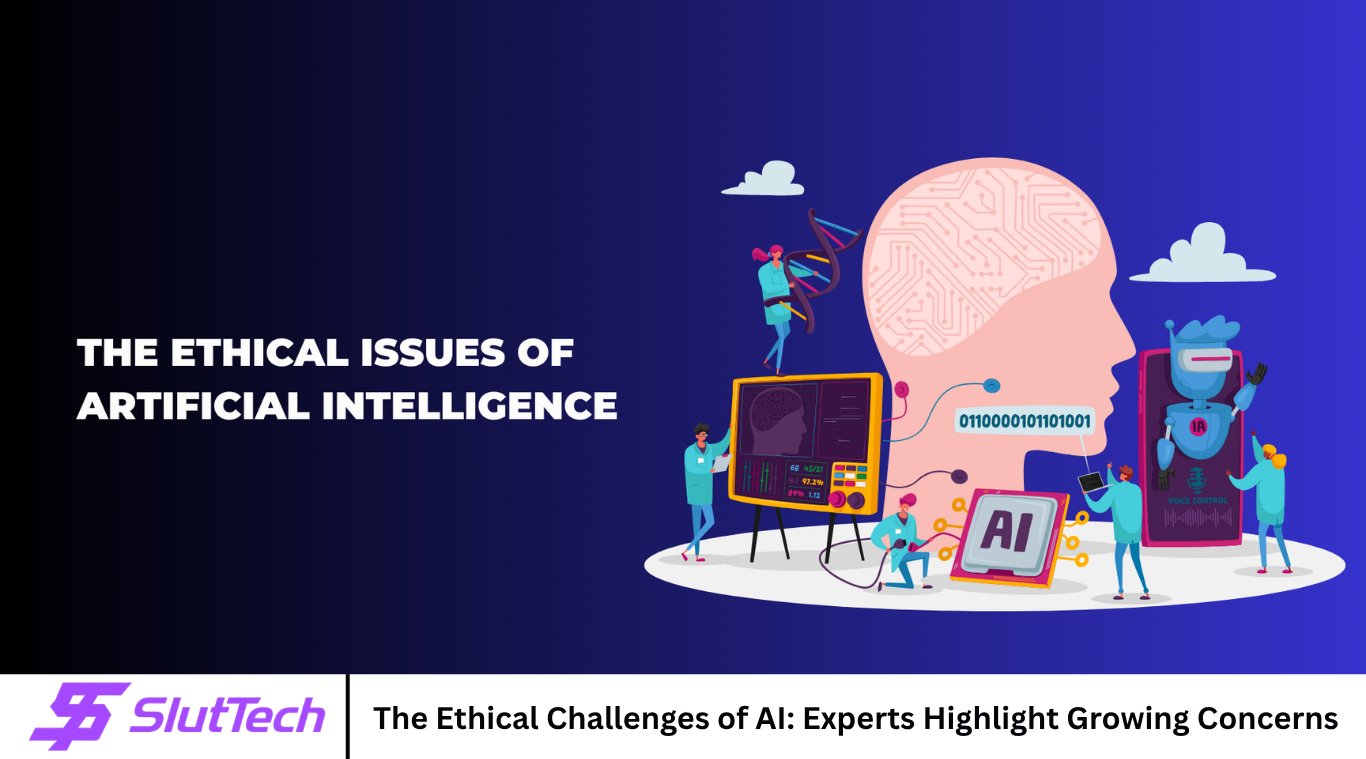
Artificial intelligence has become one of the most influential technologies of the modern era, transforming industries, improving productivity, and creating new opportunities across the world. From healthcare and education to business and entertainment, AI systems are helping people solve complex problems and automate everyday tasks.
However, as AI technology becomes more powerful, experts are raising important ethical concerns about its impact on society. Issues related to privacy, security, fairness, misinformation, and responsible development are becoming central discussions as organizations continue adopting artificial intelligence.
Why AI Ethics Matter
AI systems are increasingly involved in decisions that affect people’s lives, including hiring, financial services, healthcare recommendations, and online experiences. Because of this growing influence, ensuring that AI is developed and used responsibly has become essential.
Ethical AI focuses on creating systems that are transparent, fair, secure, and beneficial for society while reducing potential risks.
Privacy and Data Concerns
Many AI systems require large amounts of data to function effectively. This raises questions about how personal information is collected, stored, and used.
Experts emphasize the importance of strong privacy protections to ensure that individuals maintain control over their personal information and understand how their data contributes to AI development.
AI Bias and Fairness Issues
AI models learn from existing data, which means they can sometimes reflect biases present in the information used during training. If not properly addressed, these biases may lead to unfair outcomes in areas such as recruitment, lending, healthcare, and decision-making.
Researchers are working on methods to improve fairness and reduce unwanted bias in AI systems.
The Spread of Misinformation
Advanced AI tools can generate realistic text, images, audio, and videos, creating concerns about misinformation and misleading content. Fake or manipulated information can spread quickly online and make it harder for people to identify reliable sources.
Experts believe stronger verification methods and responsible AI practices are necessary to address these challenges.
Security Risks
As AI becomes more advanced, cybersecurity concerns are also increasing. Malicious actors may attempt to misuse AI for creating scams, improving cyberattacks, or exploiting digital systems.
Developing secure AI technologies and maintaining strong safety standards are important steps toward reducing these risks.
Impact on Jobs and Employment
AI automation is changing many industries by handling tasks that were previously performed by humans. While AI can improve productivity and create new opportunities, some workers are concerned about job disruption.
Experts suggest that education, skill development, and workforce adaptation will be important in helping people adjust to an AI-driven economy.
Lack of Transparency
Some advanced AI systems operate in ways that are difficult for users to understand. When AI makes important decisions, people may want to know how those decisions were reached.
Improving transparency and explainability can help build trust between users and AI technologies.
Responsible AI Development
Technology companies, researchers, and policymakers are working to create guidelines for responsible AI development. These efforts focus on safety, accountability, fairness, and ensuring that AI benefits society.
Responsible AI requires cooperation between developers, governments, businesses, and communities.
The Role of Human Oversight
Although AI systems can process information quickly and perform complex tasks, human oversight remains essential. People are needed to evaluate AI decisions, consider ethical factors, and ensure technology is used appropriately.
The combination of AI capabilities and human judgment can lead to better outcomes.
The Future of Ethical AI
Artificial intelligence will continue advancing, making ethical considerations even more important. Future AI systems will need to balance innovation with responsibility to ensure they support society while minimizing potential harm.
Organizations that prioritize ethical AI practices will be better positioned to build trust and create sustainable technology solutions.
Frequently Asked Questions
What are the biggest ethical concerns about AI?
Major concerns include privacy issues, AI bias, misinformation, security risks, lack of transparency, and the impact of automation on jobs.
Why is AI bias a problem?
AI bias can lead to unfair decisions when systems learn from incomplete or biased data, affecting areas such as employment, finance, and healthcare.
Can AI be developed responsibly?
Yes. Responsible AI development involves transparency, strong security measures, fairness testing, human oversight, and ethical guidelines.
Will AI replace human jobs?
AI may automate some tasks, but it is also expected to create new opportunities and change the way people work.
How can users stay safe with AI technology?
Users can protect themselves by understanding AI limitations, verifying information, protecting personal data, and using trusted AI services.
Conclusion
The ethical challenges of artificial intelligence highlight the importance of responsible innovation. While AI offers enormous benefits in productivity, research, and problem-solving, its risks must be carefully managed. Addressing concerns around privacy, fairness, security, and transparency will be essential for creating AI systems that are trustworthy and beneficial. As artificial intelligence continues to evolve, balancing technological progress with ethical responsibility will shape the future of AI and its role in society.
